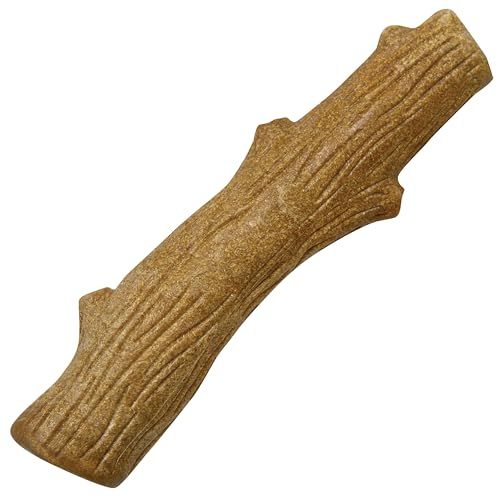
Petstages Dogwood chew stick (large)
Real wood fiber in stick form — the furniture-leg experience, minus the splinters and the vet bill. The first buy for a confirmed wood chewer.
See the pickShop · Power chewers
Furio's chewing career started with our house: as a puppy he worked through parts of it that were never meant to be dog toys, while the "indestructible" toys we panic-bought lost to whatever he actually wanted to chew. The fix wasn't a stronger toy. It was watching him first — then buying for the chewer he turned out to be.
The Berner Edit may earn from qualifying purchases — links on this page are affiliate links. We only list products we’d buy for our own Bernese.
A puppy chewing the house isn't being bad — he's shopping. Puppies read the world with their mouths, and in the first weeks they'll show you exactly what they like. Watch before you spend:
Furio was easy to read: wood. Given a bought plastic toy and anything wooden, he took the wood every time — and he's not unusual. A lot of plastic chew toys are honestly bad at being chewed: too slick to grip, too uniform to stay interesting. Wood has fiber, give, and texture. It also splinters, which is why the answer is an imitation (the Dogwood, below) and not the furniture.
Sometimes the answer isn't in the pet aisle at all. We bought puppy Furio a proper teething ring. He chose a carrot:
A frozen carrot is a genuinely good teething chew — crunchy, cold, and nearly free — and carrots are a fine occasional chew for a big puppy: washed, handed over whole, supervised like anything else. It's a snack, not a strategy. But it taught us the strategy: buy for the dog you watched, not the dog in the product photo.
The Dogwood is a chew stick made with real wood fiber, so it smells, tastes, and gives like the thing your dog actually wants — without splintering into shards or redecorating the rug with stick debris. If your puppy's crime scenes are all wooden, this is the first thing we'd buy. Size up for a Berner jaw, and supervise like everything else in this guide: durable is not the same as immortal.
Real wood fiber in stick form — the furniture-leg experience, minus the splinters and the vet bill. The first buy for a confirmed wood chewer.
See the pickThe longest-lived chew in our house is a Benebone wishbone — one bone, going on three or four years now. But here's what nobody tells you: a brand-new Benebone is kind of boring. It starts out smooth, and a puppy raised on instant payoff may nose it once and walk away. A nylon bone gets good after it's been chewed — the surface roughs up, teeth get something to work on, and suddenly it's the favorite.
So if your puppy shrugs at a new nylon bone, don't bin it. If you know an experienced chewer, let that dog break it in first — a pre-chewed Benebone is a head start, not a hand-me-down. Or just leave it in rotation; most puppies come around once the first teeth marks are in.
Care is equally unglamorous: ours goes through the dishwasher on a hot cycle. Check any nylon chew before every session — it's made for chewing, not eating, and when the ends wear down to a size that could break off in a chunk, retire it.
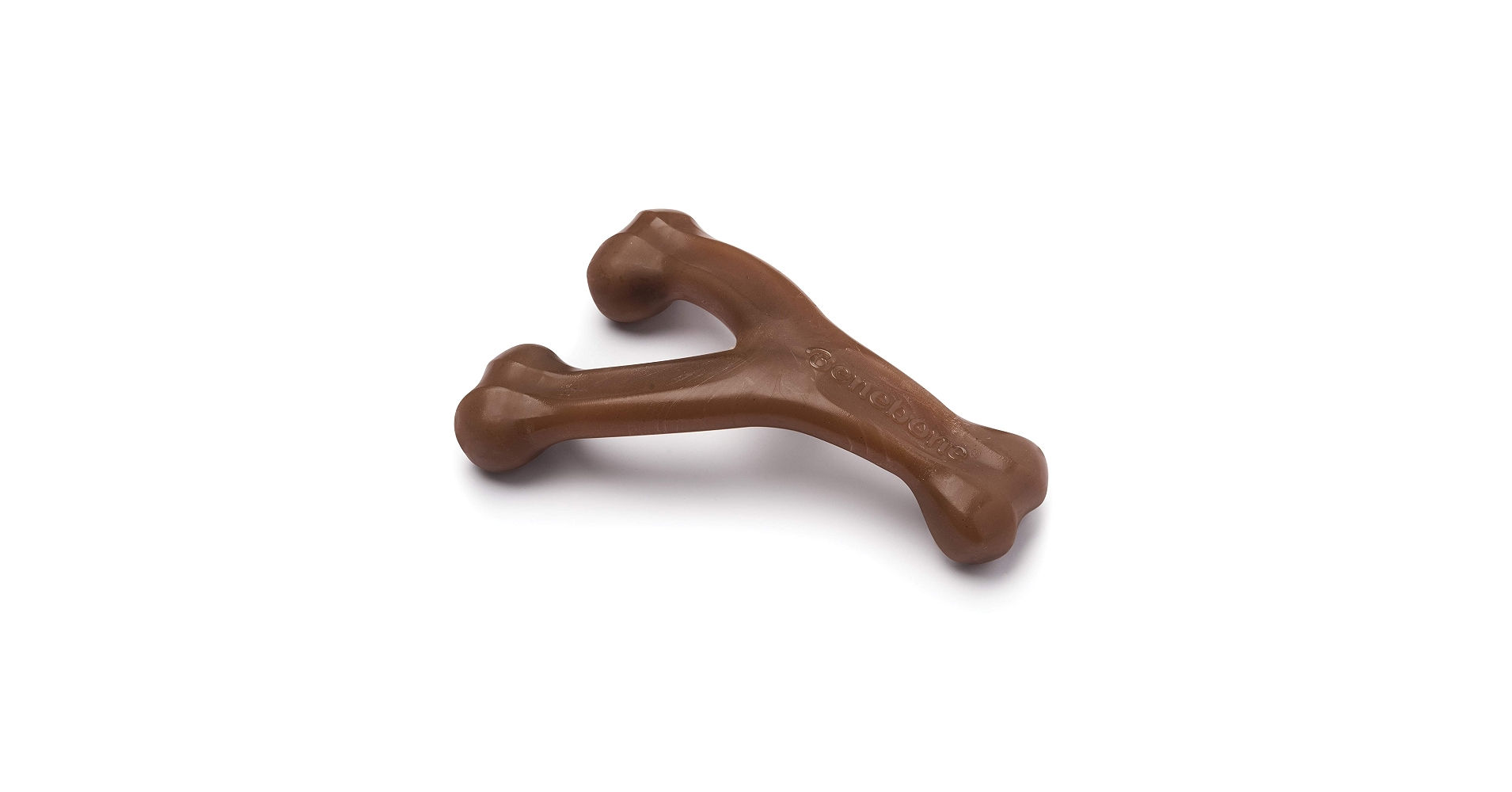
Our wishbone is three-plus years into service and still in rotation. Give a new one a break-in period — the rough, chewed-in surface is the whole point.
See the pick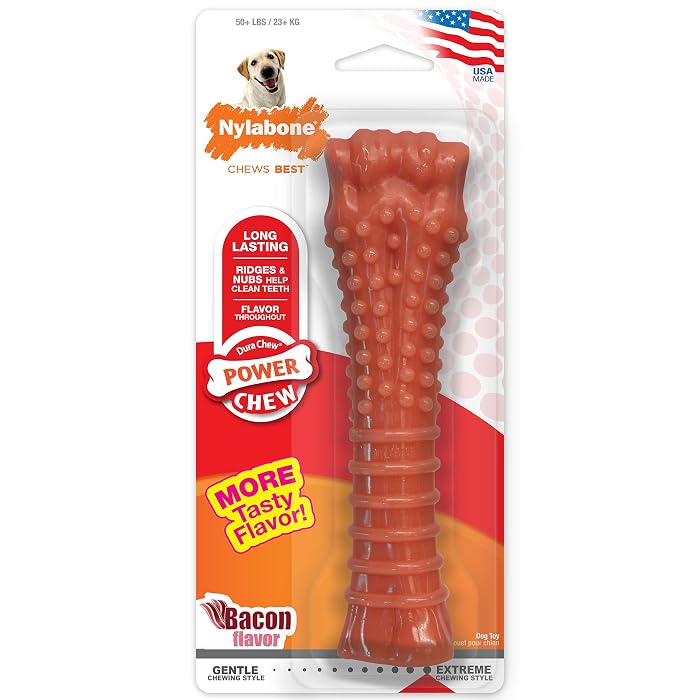
The other nylon lane: a textured knuckle bone in bacon flavor, for dogs who hold a chew between their paws and work one spot.
See the pickSome dogs don't care about texture at all — the chew is just a delivery system for food. For them, edible chews are the honest answer, and the trade is mess: crumbs, a certain aroma, and a chew that's gone by design.
Yak cheese is the slow lane of edibles: hard-smoked, so a stick wears down over days instead of minutes. Buy large or XL — an undersized chew is a choking hazard wearing a snack costume. And when it wears down to a nub, don't throw the nub away: a couple of minutes in the microwave puffs it into a crunchy bonus chew.
Bully sticks are the high-value classic: single-ingredient, fully edible, and fragrant enough that you'll always know where the chewing is happening. They have one genuinely dangerous moment — the last inch, exactly the size to swallow whole. In this house, bully sticks are never served naked:
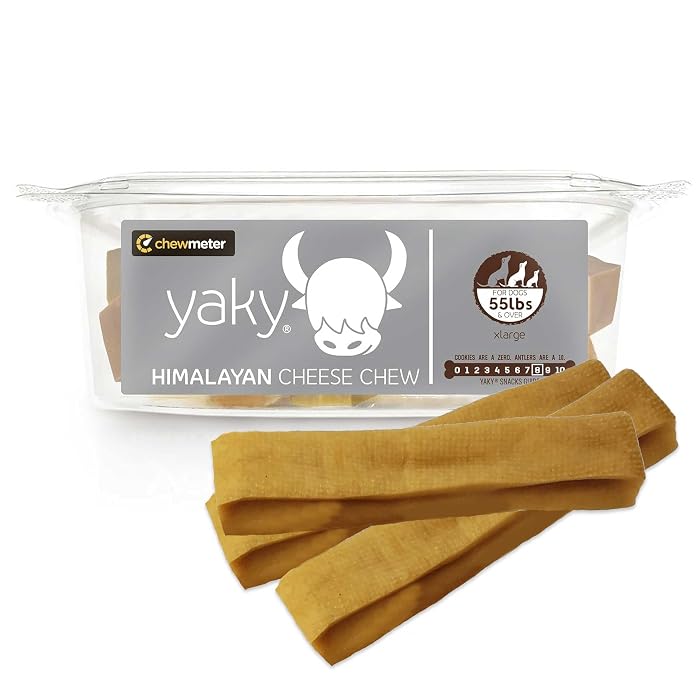
Hard-smoked Himalayan cheese that wears down slowly instead of shattering. Buy large or XL for a Berner; microwave the last nub into a puff.
See the pick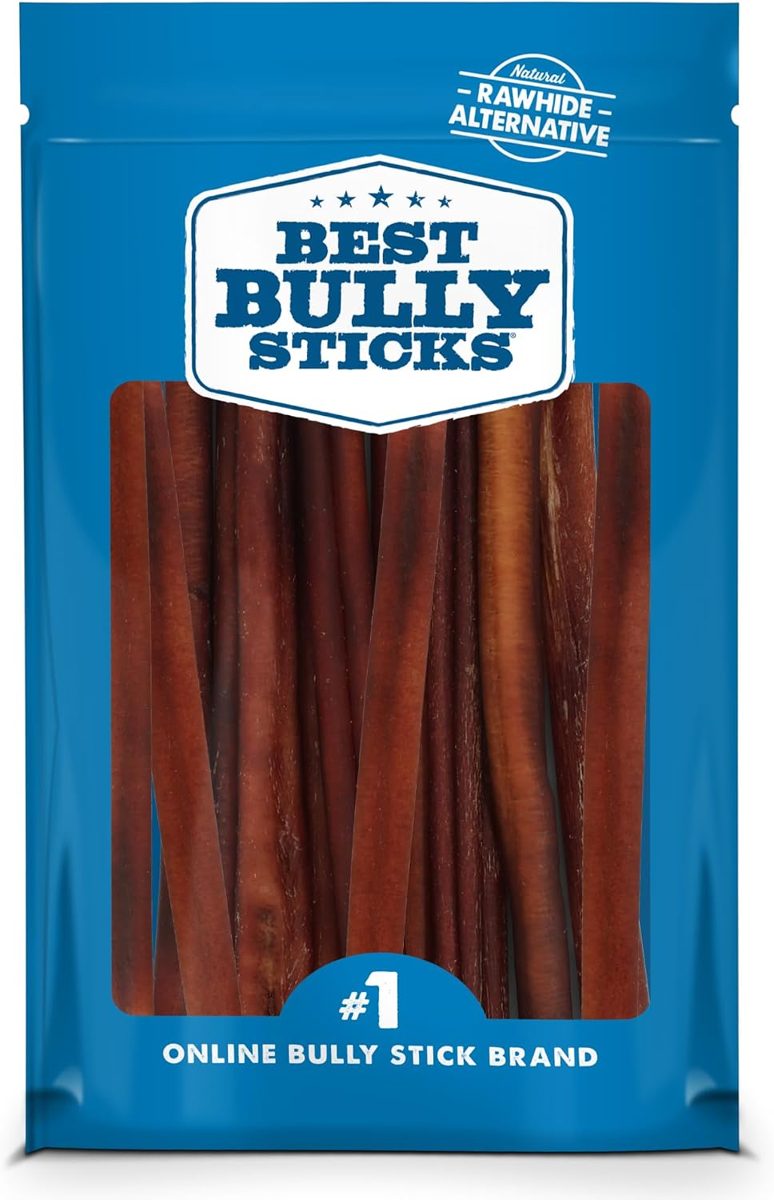
Single-ingredient, grass-fed sticks sized for a serious chewer — the sticks the holder below was bought for.
See the pick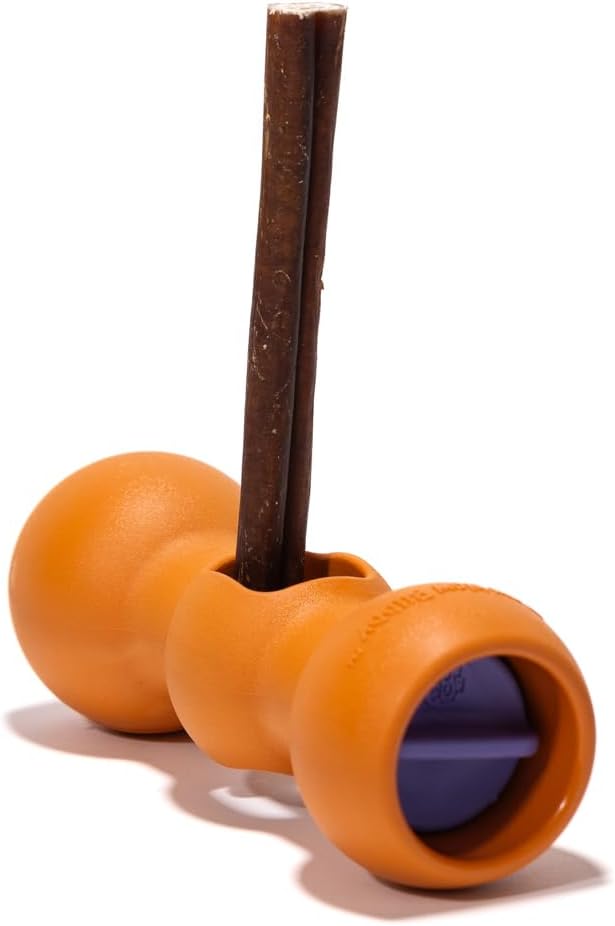
The device that ends the swallowed-last-inch problem. Clamp the stick, let them chew, toss the stub — no more hovering.
See the pickFull disclosure: Furio has had a real bone, and he considered it the best day of his life. We still don't do raw bones as a routine. Raw bone means raw-meat juice worked into your floors, a real if modest bacteria risk for the dog and everyone barefoot in the house, and a mess that is exactly as bad as you're imagining. Cooked bones are a harder no — they splinter.
The workaround that stuck is peanut butter, stuffed and frozen. Smear it inside a KONG, freeze the whole thing solid, and the dog gets the long, focused, flavor-driven session a bone provides — for pennies, and without mainlining processed treats. (Read a treat bag's ingredient list sometime. The peanut butter jar's is shorter.)
One label warning that actually matters: use a dog peanut butter, or check the human jar like it counts — because it does. Xylitol (also listed as birch sugar) is toxic to dogs and hides in some sugar-free peanut butters. Dog-formula peanut butter removes the worry.
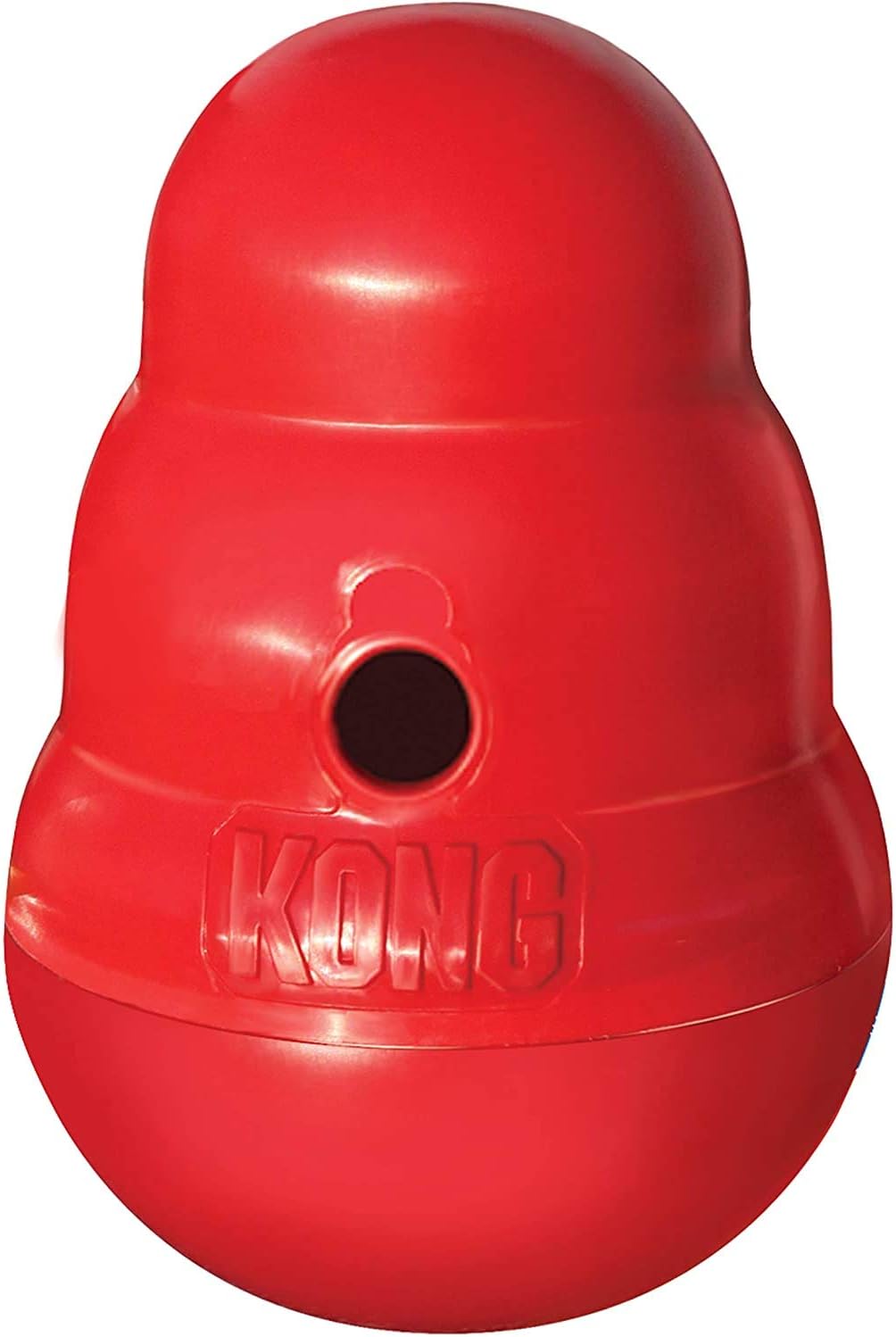
The stuffing vessel. Fill with peanut butter, freeze it solid, hand it over: twenty-plus minutes of focused quiet, earned the honest way.
See the pick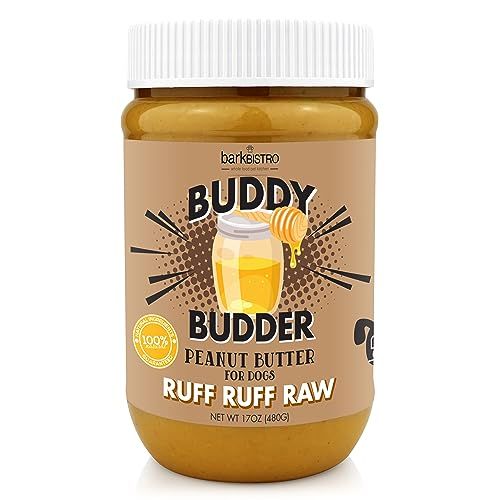
Xylitol-free, made for dogs — a jar lives next to the KONG in our house. The frozen stuffed KONG is the cheapest long chew we know.
See the pick| Chew | Lasts | Watch out for |
|---|---|---|
| Dogwood stick | Days to weeks | Not real wood — close enough for a wood dog; supervise |
| Benebone (large) | Weeks — ours is on year three-plus | Not edible; retire worn ends |
| Nylabone Power Chew (XL) | Weeks | Not edible; check worn edges |
| Yak cheese (L/XL) | Days to weeks | Size down = choking risk; puff the nub |
| Bully stick + holder | Hours per stick | The smell; keep the holder tightened |
| KONG + peanut butter, frozen | 20–60 minutes a session | Calories count; xylitol-free peanut butter only |
Solid nylon chews — Benebone, Nylabone Power Chew — last longest in calendar time, weeks to years. Among edibles, Himalayan yak cheese wears down slowest. But longest is the wrong first question: match the chew to the dog. A wood chewer will walk past all of them for a wood-fiber stick.
Watch what they steal. Paper and books means a shredder; table legs and hard edges, a pressure chewer; cold-seeking and gum-rubbing, a teether; working purely for taste, a flavor hunter. Puppies advertise the preference in the first weeks — buy after you've seen it, not before.
Yes, as an occasional supervised chew. Wash them, freeze them for teething puppies, and treat a carrot as a snack, not a meal. A whole carrot suits a big puppy like a Berner; cut carrots down for small dogs.
Cooked bones, never — they splinter. Raw bones: we've done it, he loved it, and we don't recommend it as a routine — bacteria risk for the dog and the household, plus the mess. A peanut-butter-stuffed KONG, frozen solid, delivers the same long session more safely.
Yes when sized correctly — buy large or XL for a Berner, supervise, and take away pieces small enough to swallow whole. The last nub can be microwaved into a crunchy puff.